Economic Prosperity And Livelihoods
Overview
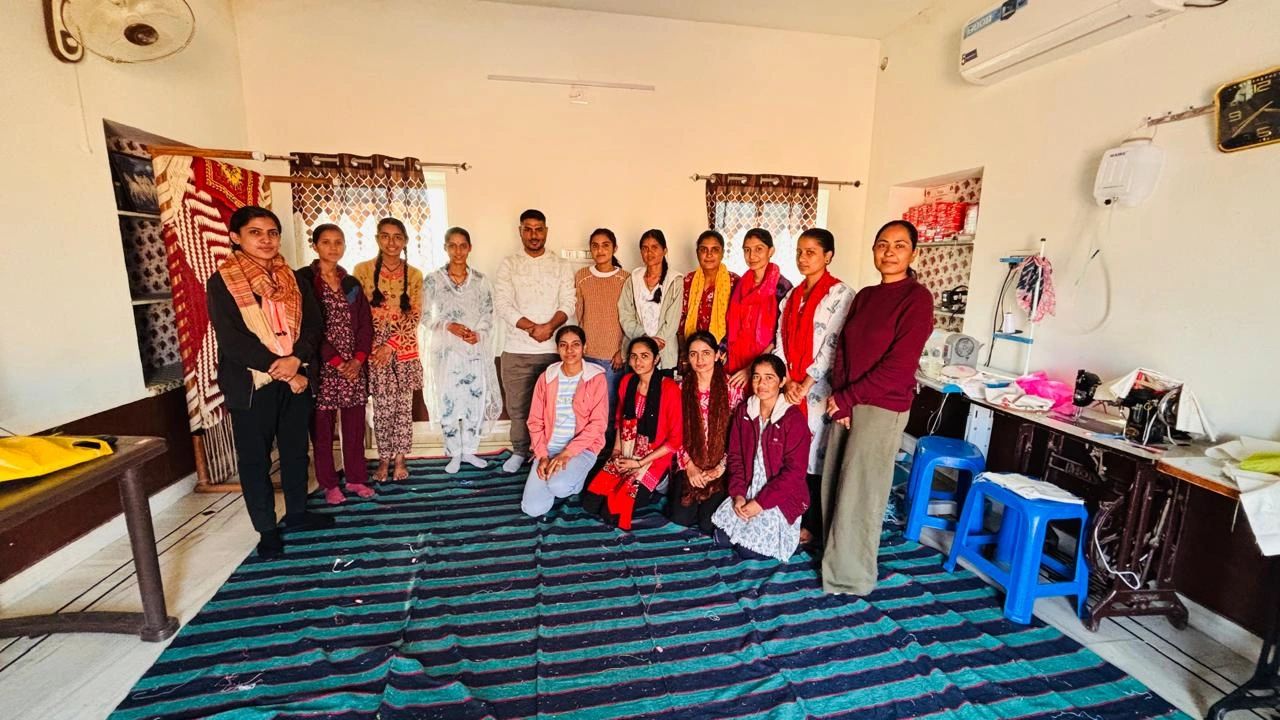
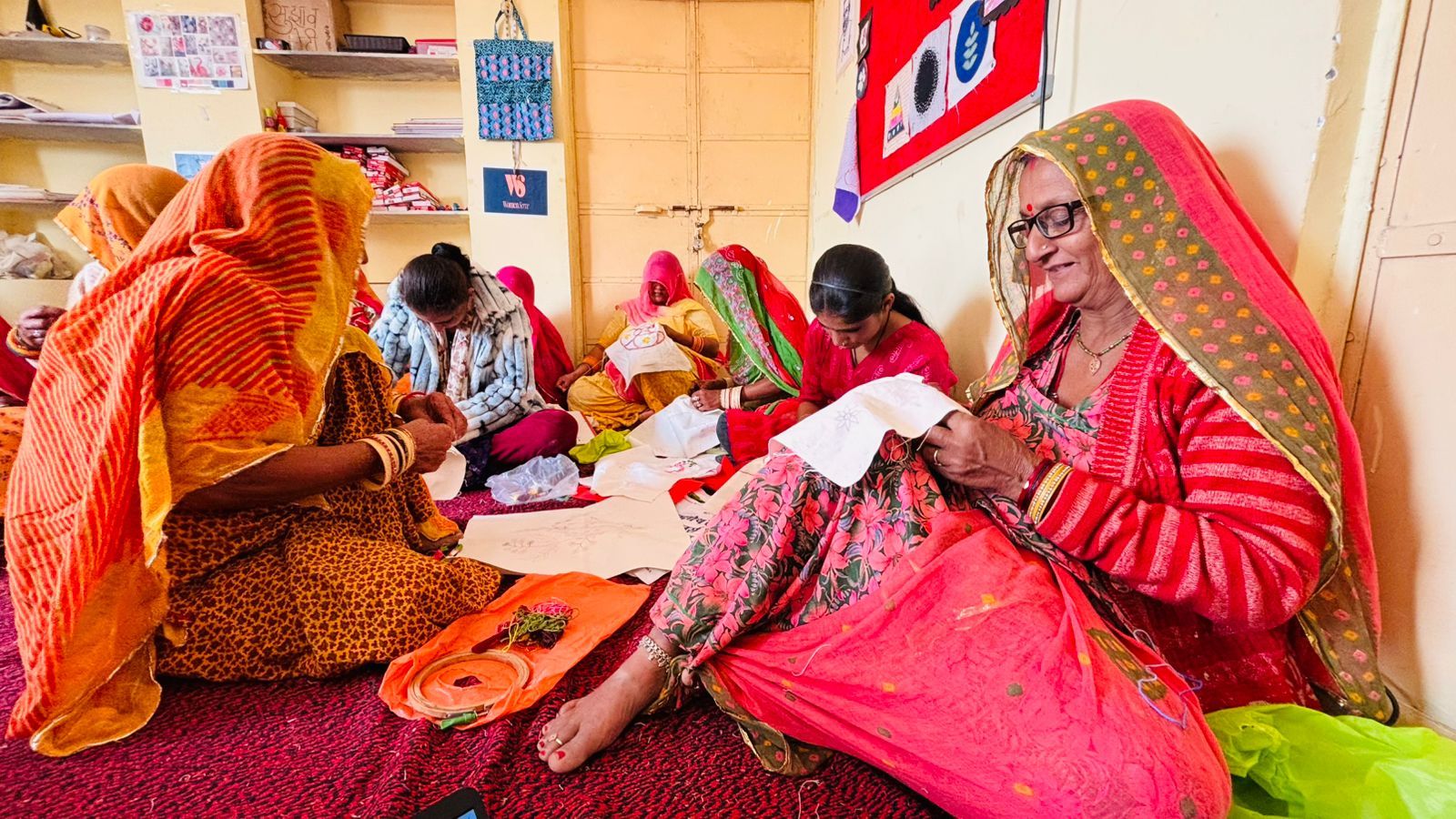
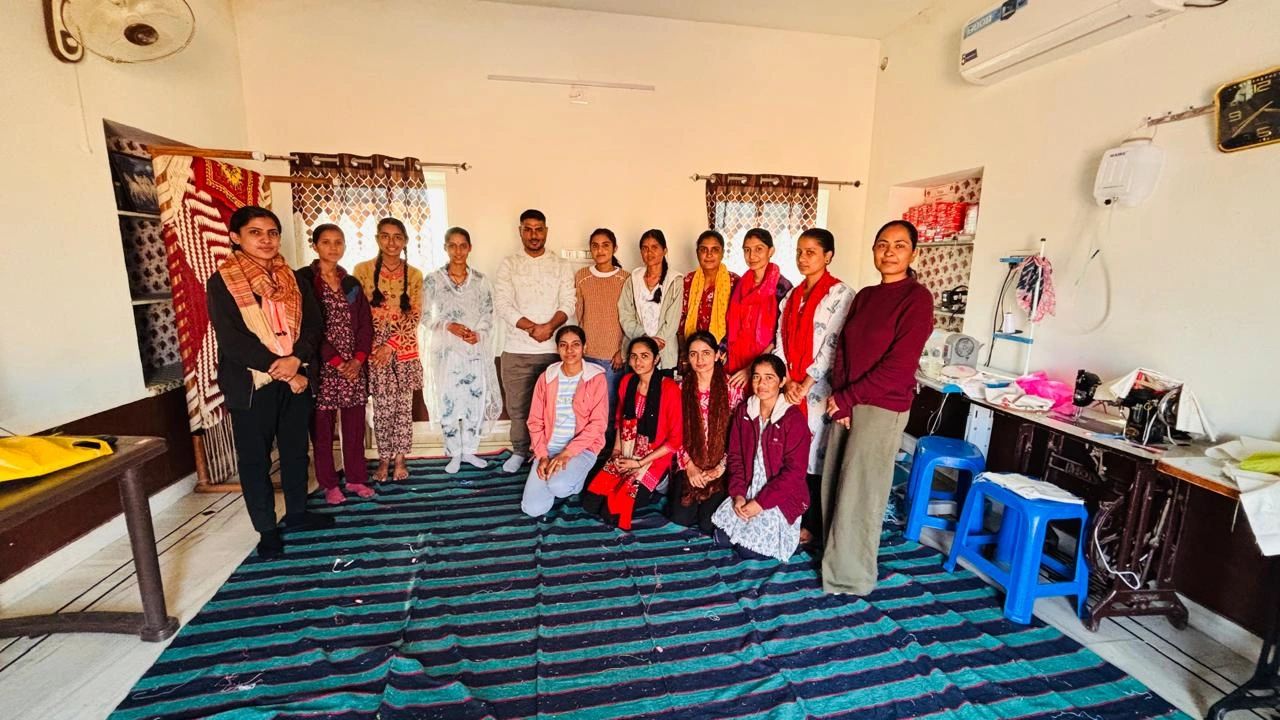
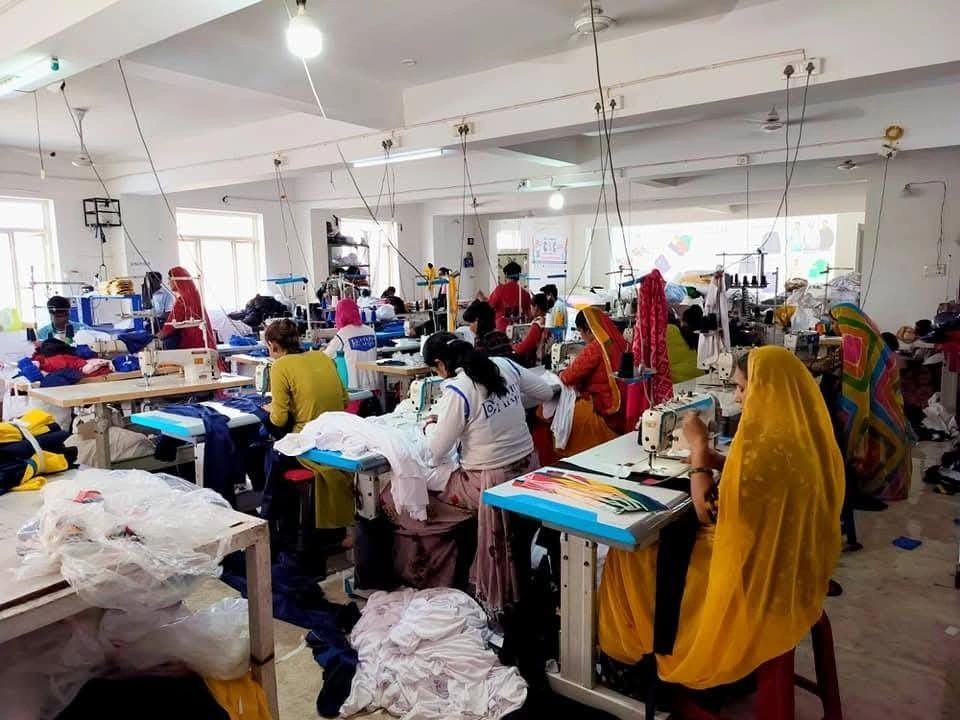
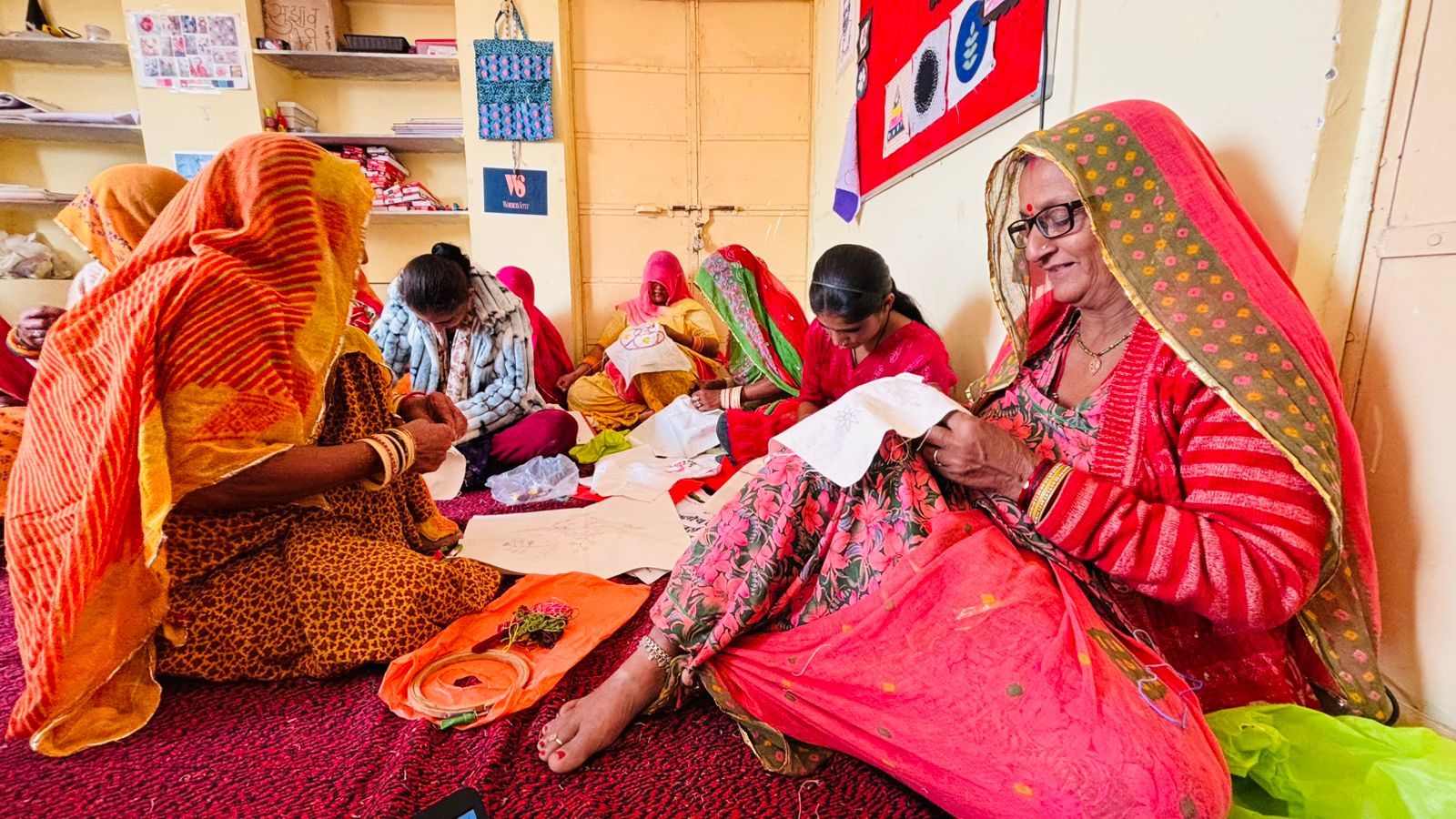
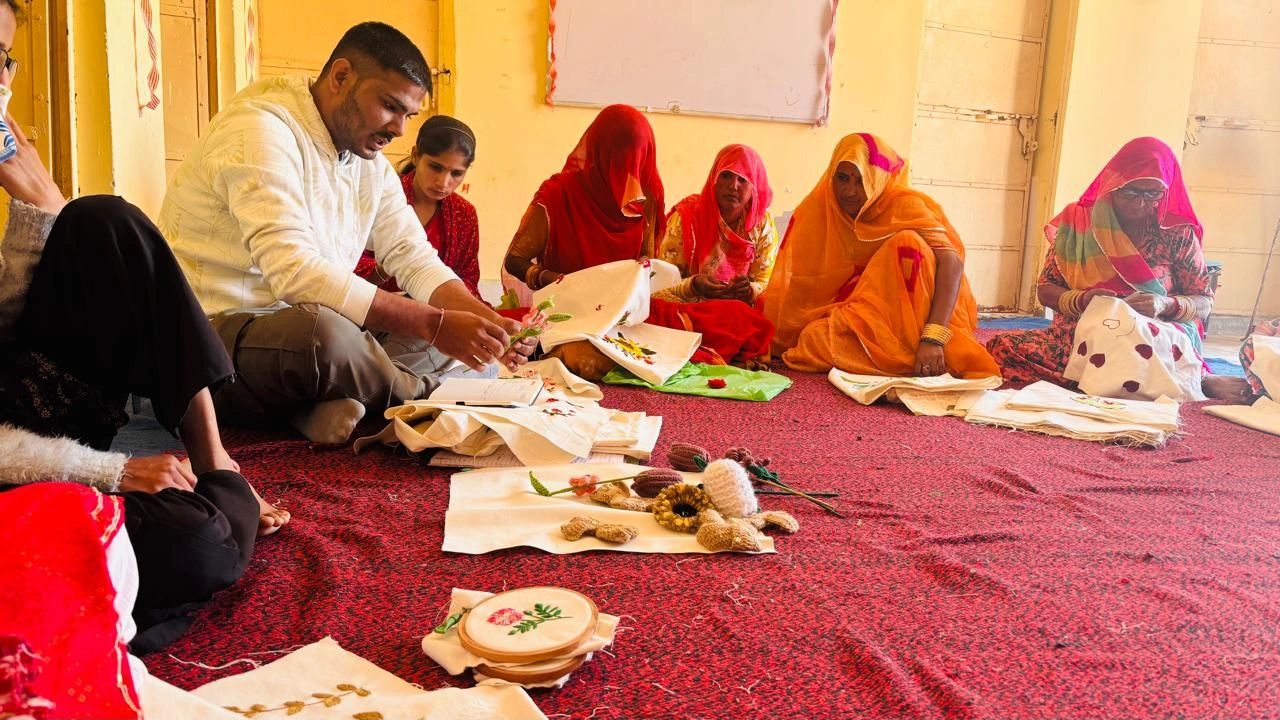
Local2Global Foundation focuses on empowering women and marginalized communities through sustainable livelihoods and economic opportunities. We provide skill development, vocational training, and entrepreneurship support to ensure financial independence. Women are encouraged to participate in self-help groups, micro-enterprises, and income-generating activities. Access to resources, mentorship, and market linkages enhances their economic potential. Awareness programs promote financial literacy and responsible management of income. Our initiatives reduce poverty, increase household stability, and improve community well-being. Local participation ensures solutions are context-specific and sustainable. Employment opportunities are linked with education and skill-building programs. Monitoring and support systems help beneficiaries scale their enterprises. Through economic empowerment, we aim to create self-reliant, confident, and resilient communities.
Challenges
Many women and marginalized communities face limited access to skill development and vocational training. Lack of financial resources and credit opportunities restricts entrepreneurship and self-employment. Poor market access reduces income potential for small businesses. Social and cultural barriers often limit women’s participation in economic activities. Inadequate infrastructure and technology hinder productivity and efficiency. Low awareness of government schemes and support programs reduces opportunities. Limited mentorship and guidance affect business growth and sustainability. Seasonal unemployment and lack of diversified income sources create economic instability. Gender bias and discrimination reduce women’s economic decision-making power. These challenges make it difficult to achieve sustainable livelihoods and economic empowerment.
Strategic Approach
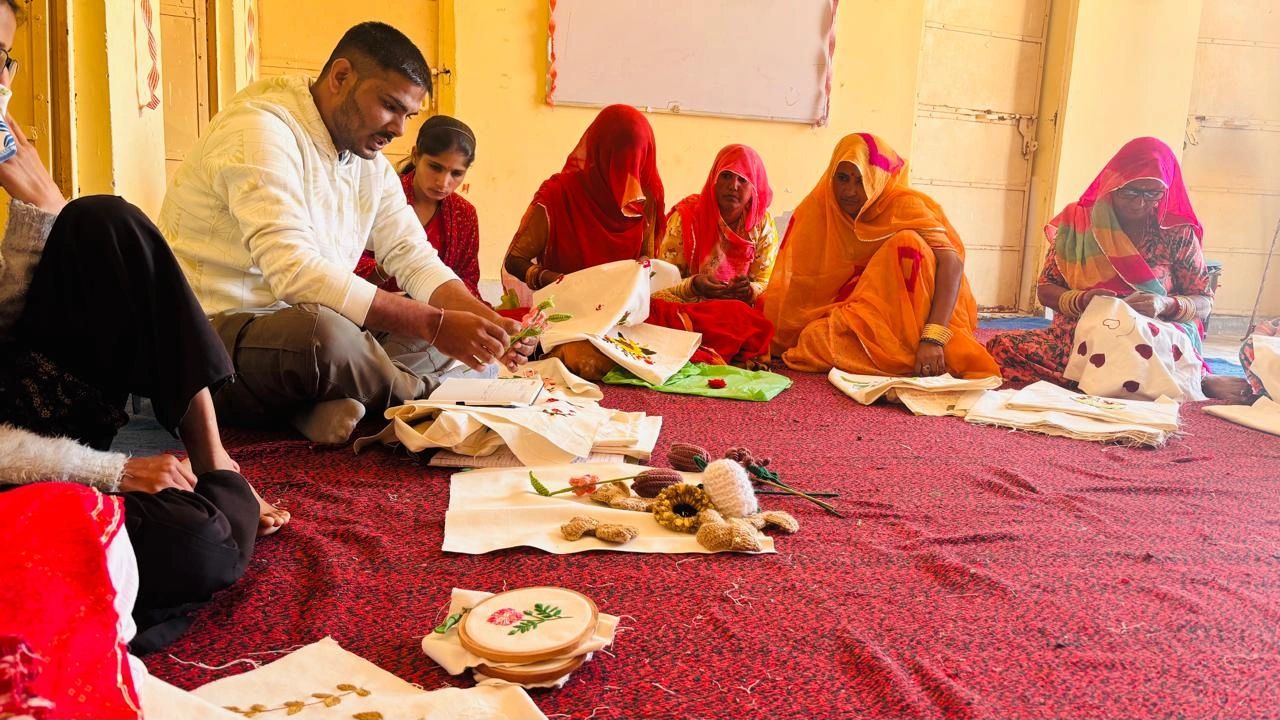
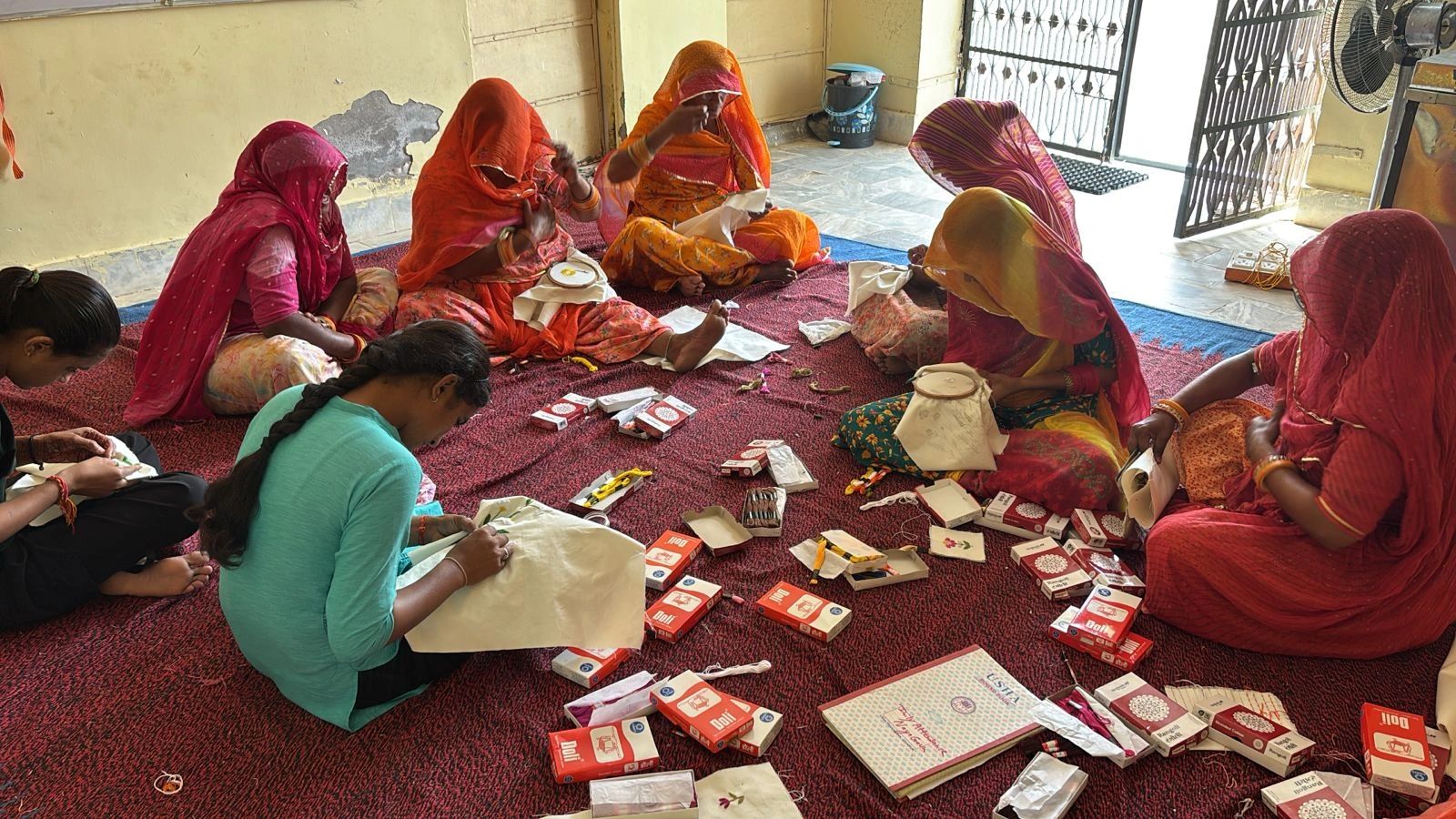
Local2Global Foundation focuses on building sustainable livelihoods through skill development and capacity building. We provide vocational training tailored to local needs and market opportunities. Women are organized into self-help groups and supported in entrepreneurship initiatives. Access to microfinance, credit, and government schemes is facilitated for economic empowerment. Market linkages are created to ensure fair income and business growth. Mentorship and guidance programs strengthen business and financial management skills. Awareness campaigns promote gender equality in economic participation. Technology and digital tools are integrated to improve productivity and reach. Regular monitoring ensures programs are effective and impactful. This strategic approach empowers communities to achieve long-term economic stability and prosperity.
Agriculture
Agriculture plays a key role in creating sustainable livelihoods for rural communities. Local2Global Foundation supports women and small farmers with training in modern farming techniques and organic practices. We promote crop diversification, efficient irrigation, and soil management to increase productivity. Access to quality seeds, tools, and resources enhances agricultural outcomes. Women-led farmer groups are formed to strengthen collective bargaining and market access. Training in post-harvest management and value addition increases income opportunities. Awareness programs on climate-resilient practices ensure long-term sustainability. Linkages with local markets and cooperatives improve profitability. Financial literacy and support help farmers invest in their agricultural ventures. Through agriculture-focused initiatives, we empower communities toward economic independence and food security.
Livestock
Livestock plays a vital role in supporting rural livelihoods and women’s economic empowerment. Local2Global Foundation provides training in animal husbandry, dairy farming, and poultry management. Access to quality breeds, veterinary care, and modern techniques improves productivity. Women-led livestock initiatives increase income, nutrition, and financial independence. Market linkages and cooperative support help sell produce at fair prices. Through livestock-based programs, communities achieve sustainable livelihoods and improved quality of life.
Impact Stories
Enhancing Livelihoods
Local2Global Foundation focuses on empowering women and marginalized communities...
Read More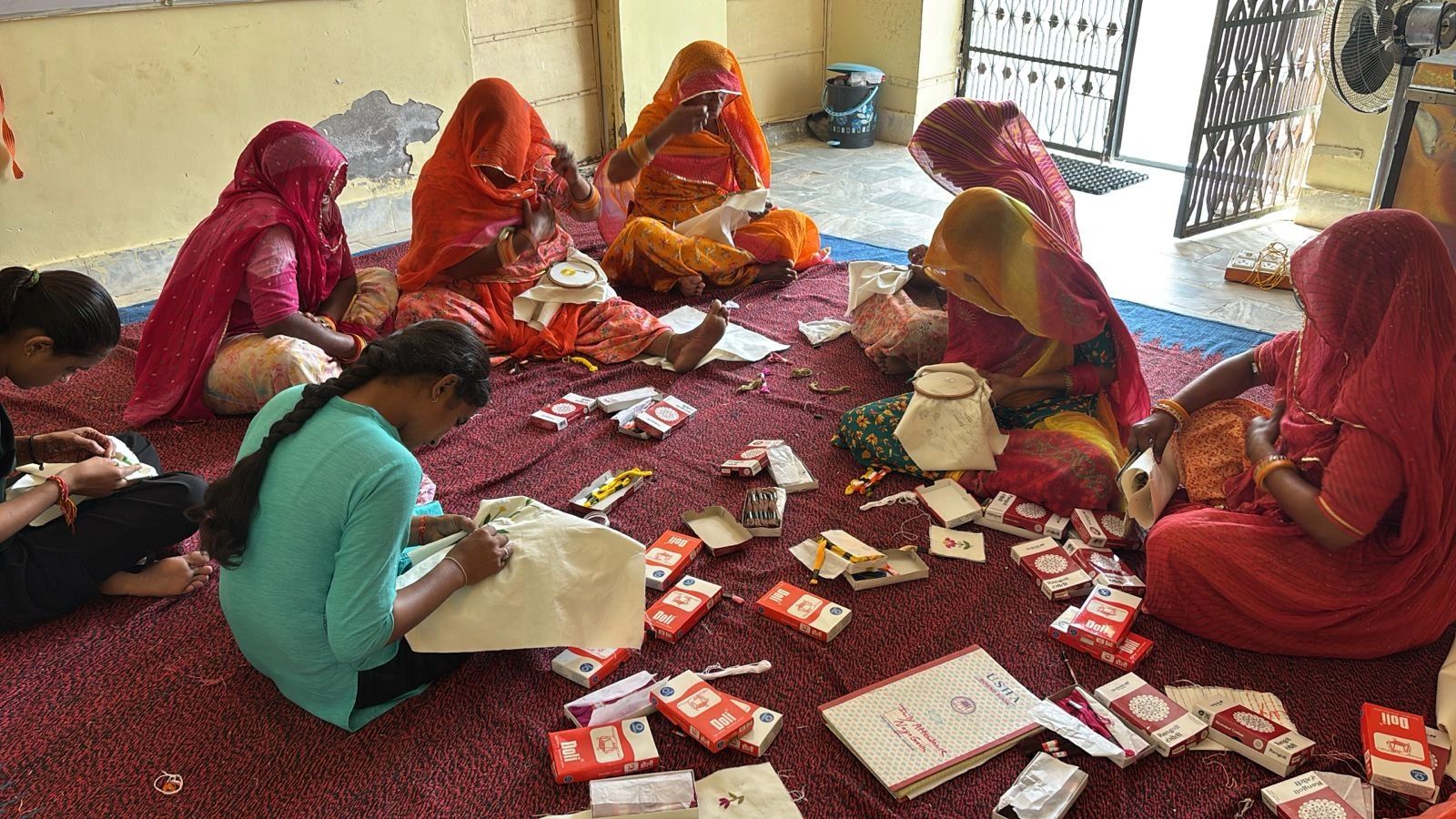
Enhancing Livelihoods
Local2Global Foundation focuses on empowering women and marginalized communities...
Read More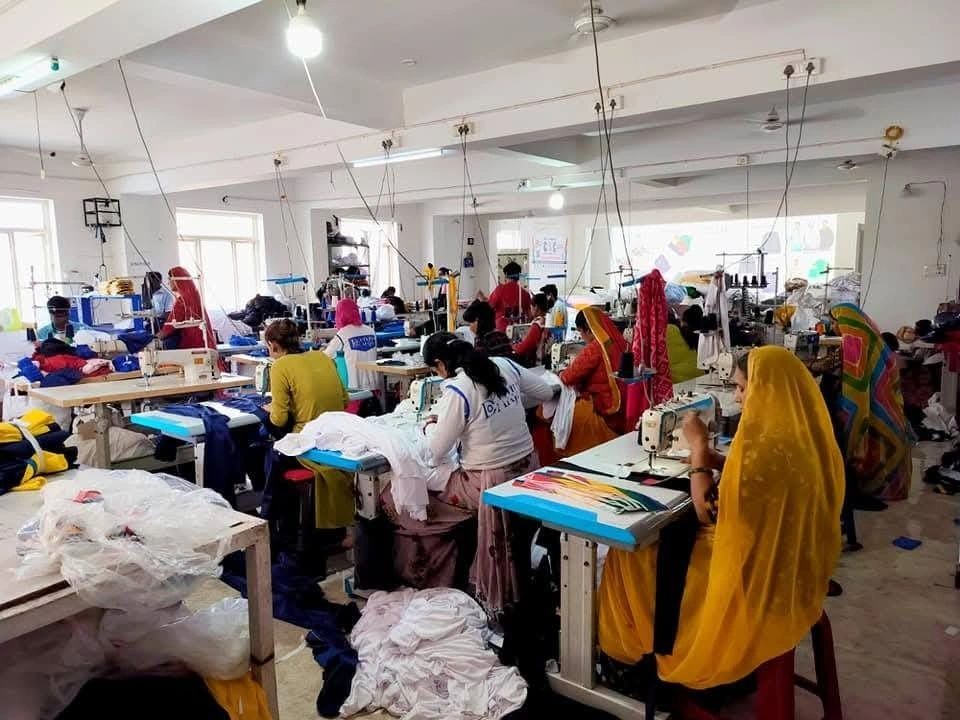
Enhancing Livelihoods
Local2Global Foundation focuses on empowering women and marginalized communities...
Read More