Women's Institutions:
Collective Effort For A Better Future
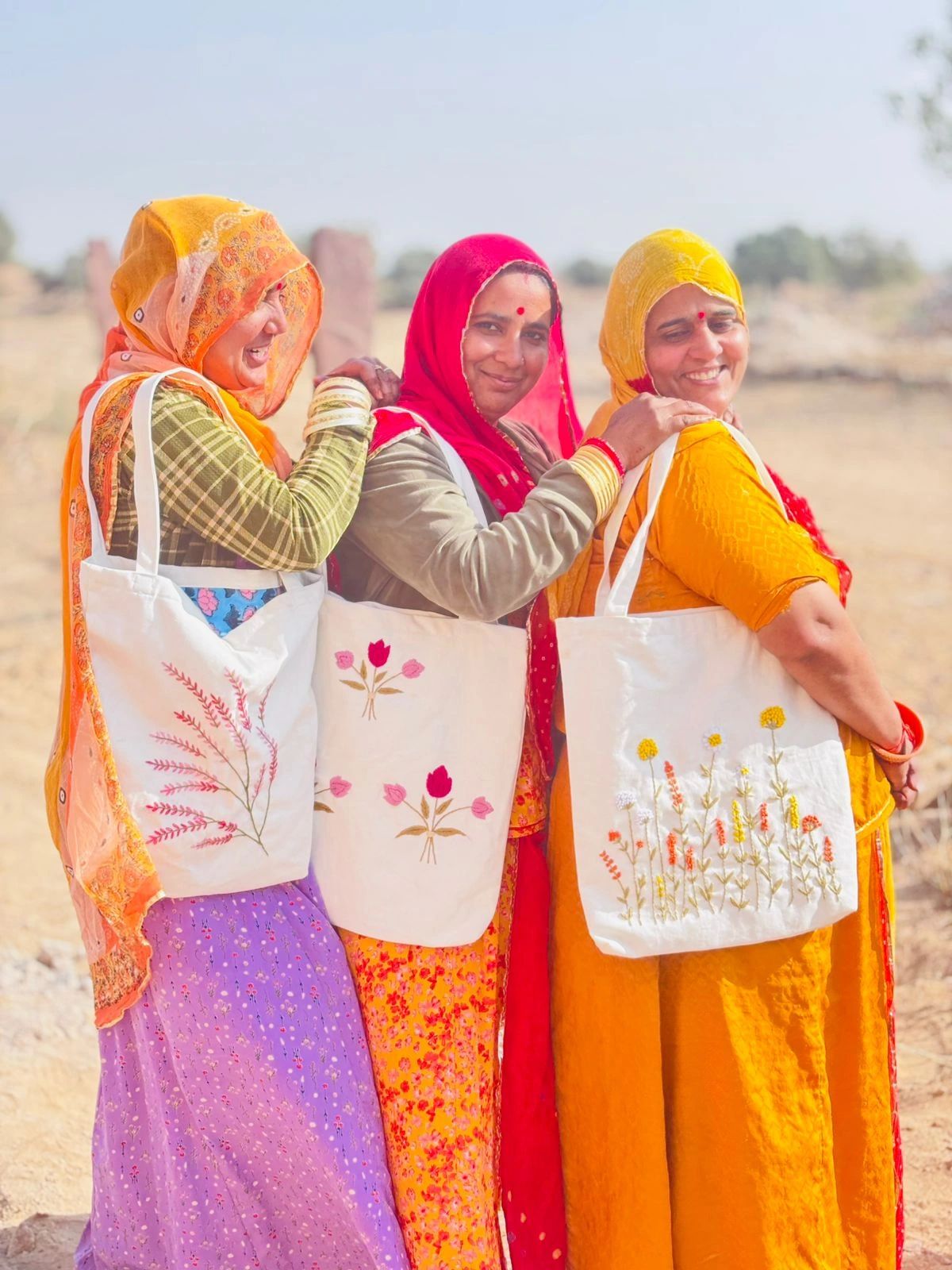
Women’s Institutions are essential platforms for empowering women through unity and collective action. They encourage women to participate in decision-making and community leadership. By promoting education and skill development, these institutions help women become self-reliant. Collective efforts strengthen women’s confidence and social identity. Women’s Institutions support financial inclusion through self-help groups and livelihood programs. They also play a key role in addressing social issues and protecting women’s rights. Through awareness and capacity building, women learn to overcome discrimination and inequality. These institutions foster mutual support and shared responsibility. Empowered women positively influence families and communities. Together, women build a stronger, more inclusive, and sustainable future.
Owned, governed and managed by women
These institutions are owned, governed, and managed entirely by women, ensuring leadership from within the community. Women take active roles in planning, decision-making, and implementation of programs. This structure builds confidence, accountability, and self-reliance among women members. Women-led governance promotes transparency and collective responsibility. Such institutions create safe and inclusive spaces for women’s voices to be heard. Leadership opportunities help women develop managerial and entrepreneurial skills. Women-managed systems strengthen solidarity and mutual support. They encourage financial independence and sustainable livelihoods. Local women leaders inspire others to participate and grow. Together, women-led institutions drive lasting social transformation.
Programme pillars

Mobilisation
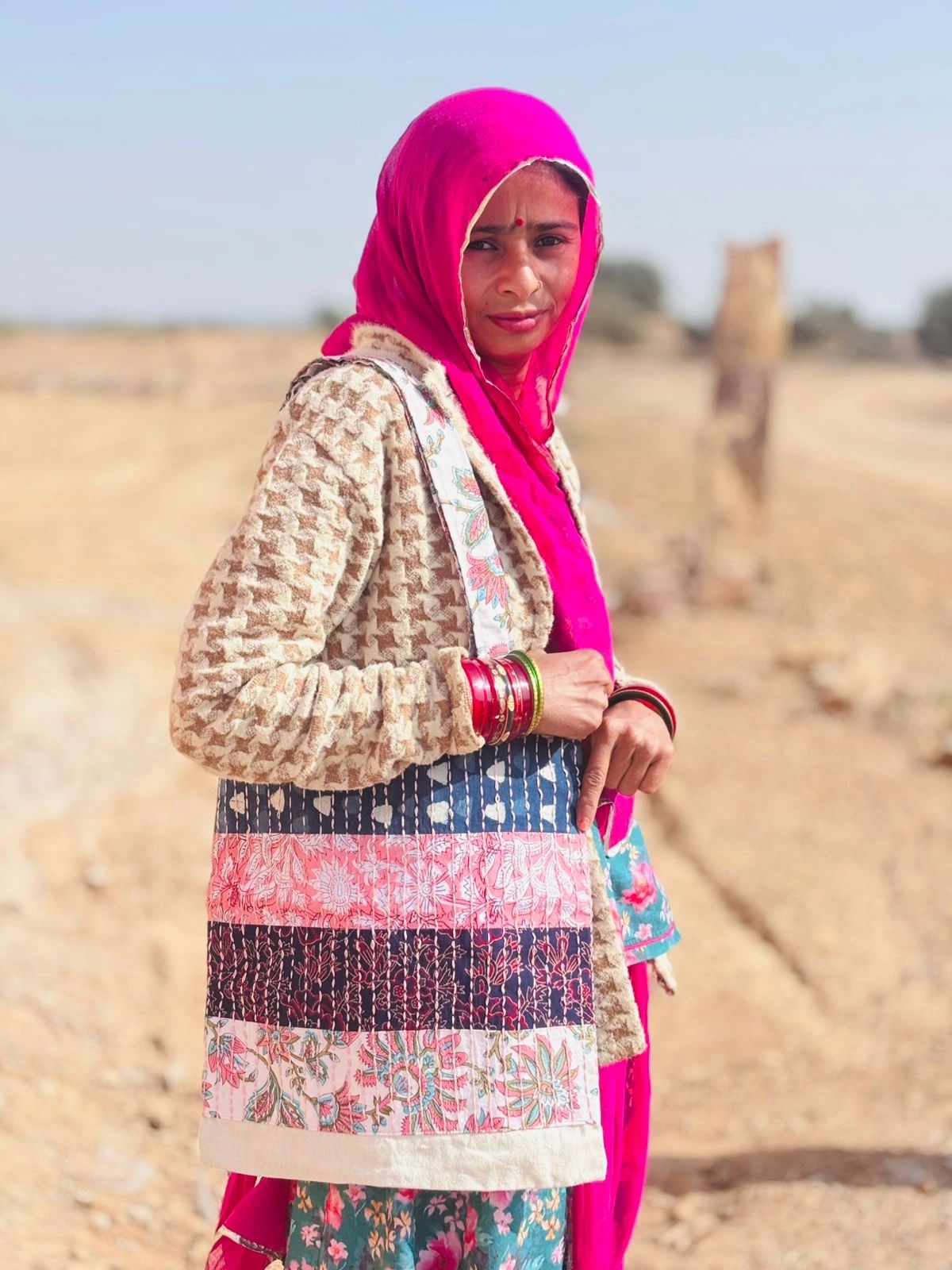
Mobilisation of women in Selp Help Groups and associated tiers

Capacity Building
Capacity building of members and institutions to foster a sense of agency

Access to Services
Facilitating linkages to access services that impact lives and livelihoods.
Institution Architecture
The institution platform is a three-tier structure starting with SHGs at the grassroots level,
merging into Village Organisations and finally Federations at the block level.
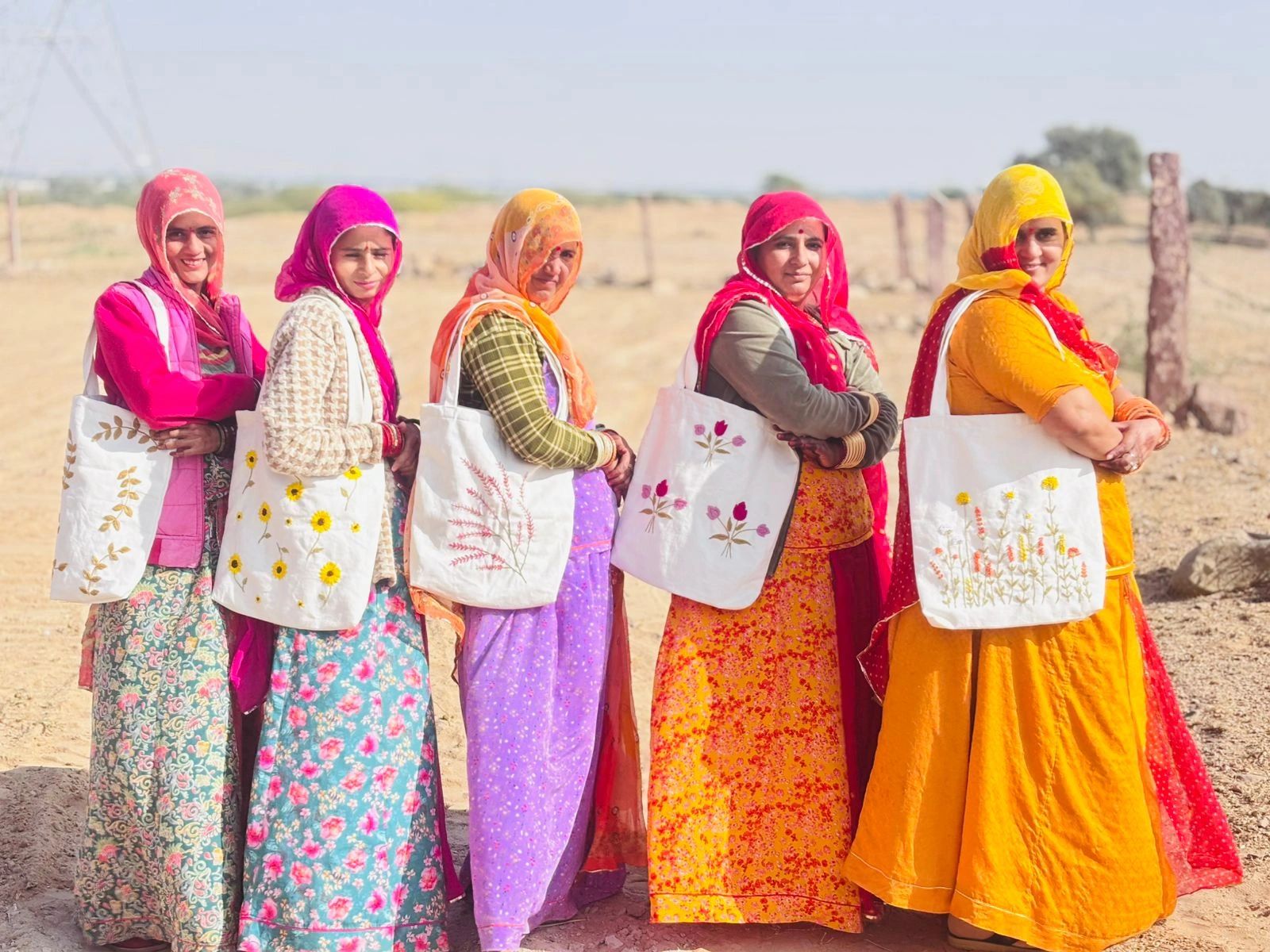
The institution is designed with a women-centric and community-driven structure. Ownership, governance, and management rest entirely with women members. Leadership roles are democratically elected to ensure participation and accountability. The architecture promotes transparency, shared responsibility, and collective decision-making. Functional committees handle education, livelihoods, health, and social welfare activities. Capacity-building systems strengthen leadership and management skills. Regular meetings ensure inclusive dialogue and progress review. Financial systems are community-owned and women-managed. Strong linkages are built with local stakeholders and government bodies. This architecture enables sustainability, empowerment, and long-term impact.
Impact Stories
Women's Institutions
Women’s Institutions are essential platforms for empowering women through...
Read More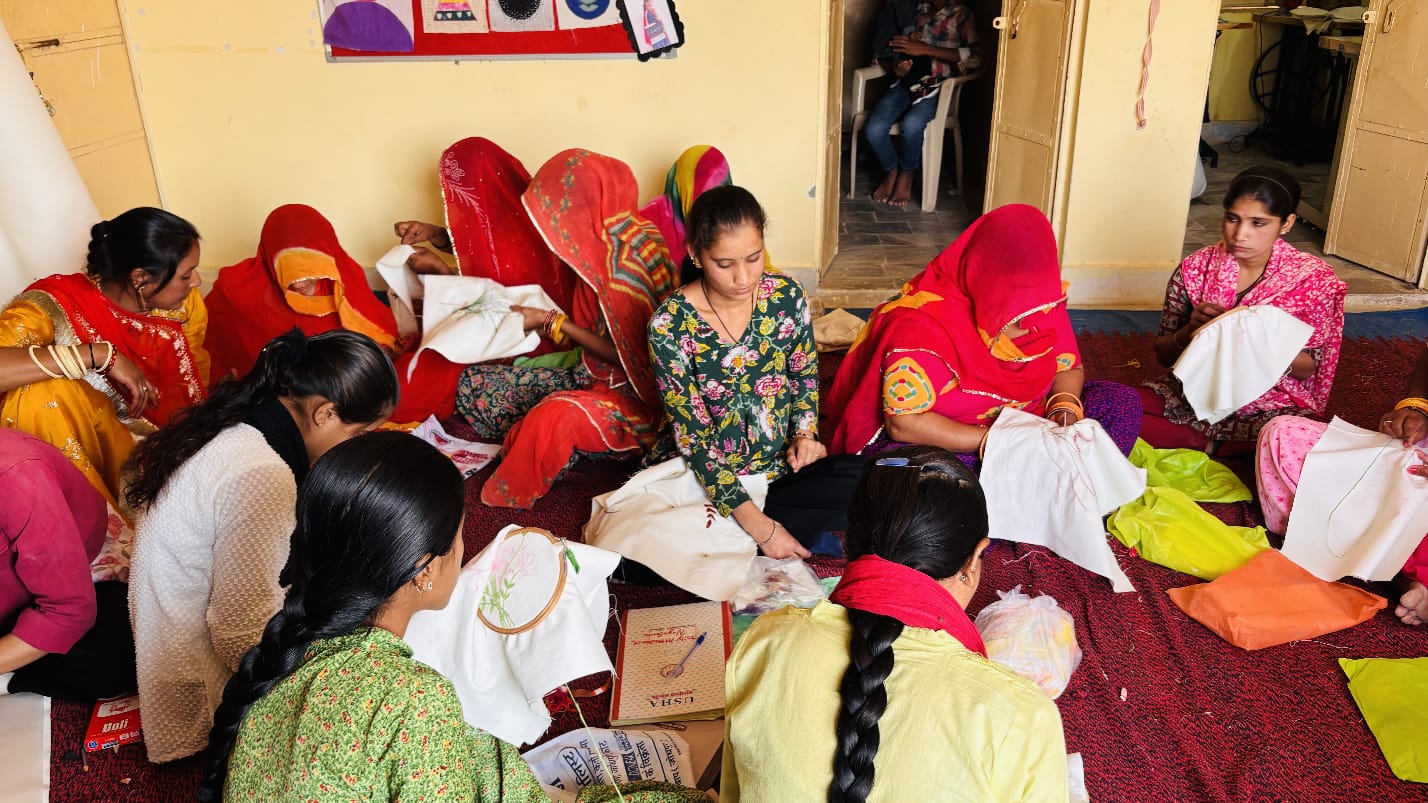
Women's Institutions
Women’s Institutions are essential platforms for empowering women through...
Read More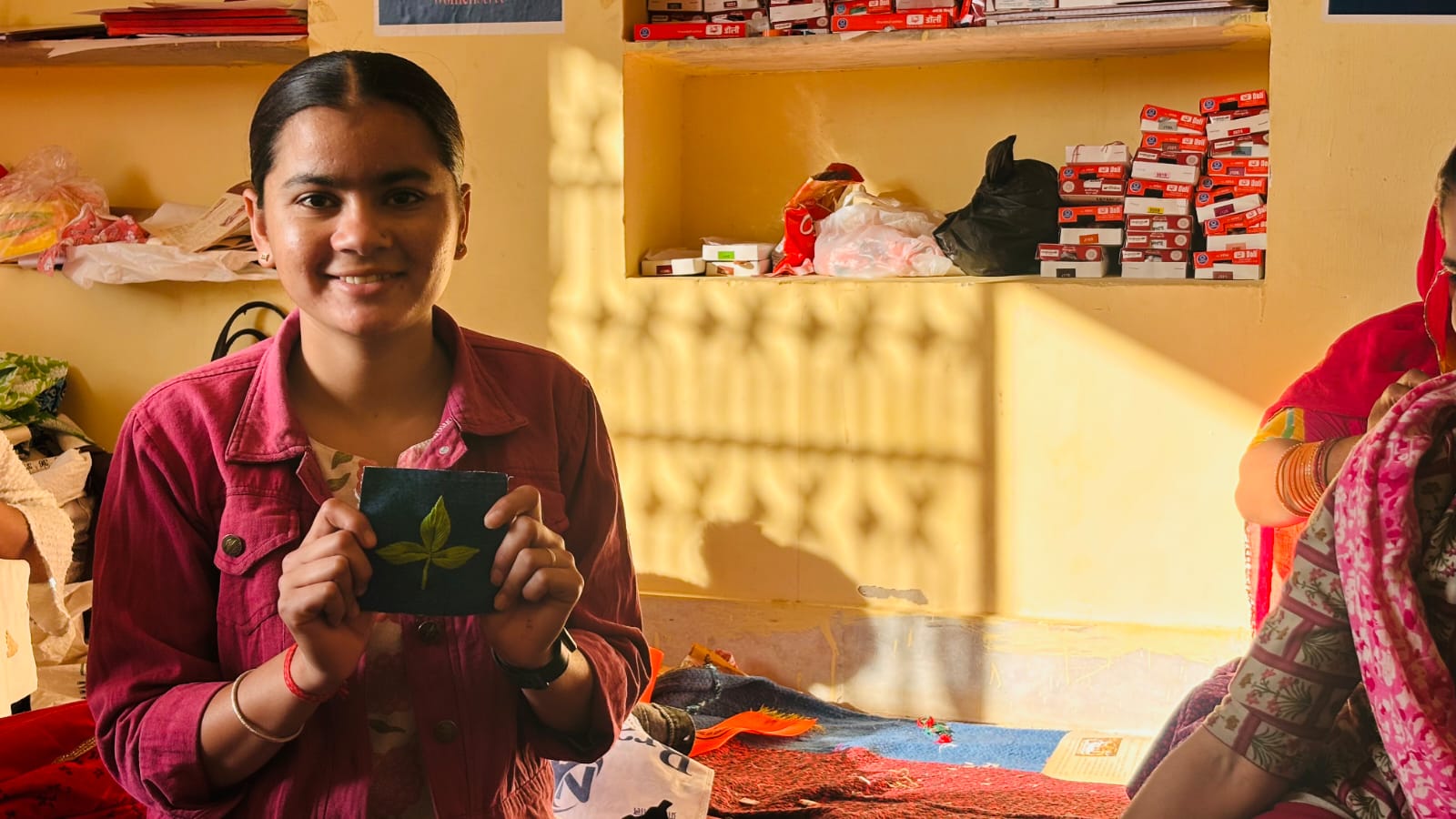
Women's Institutions
Women’s Institutions are essential platforms for empowering women through...
Read More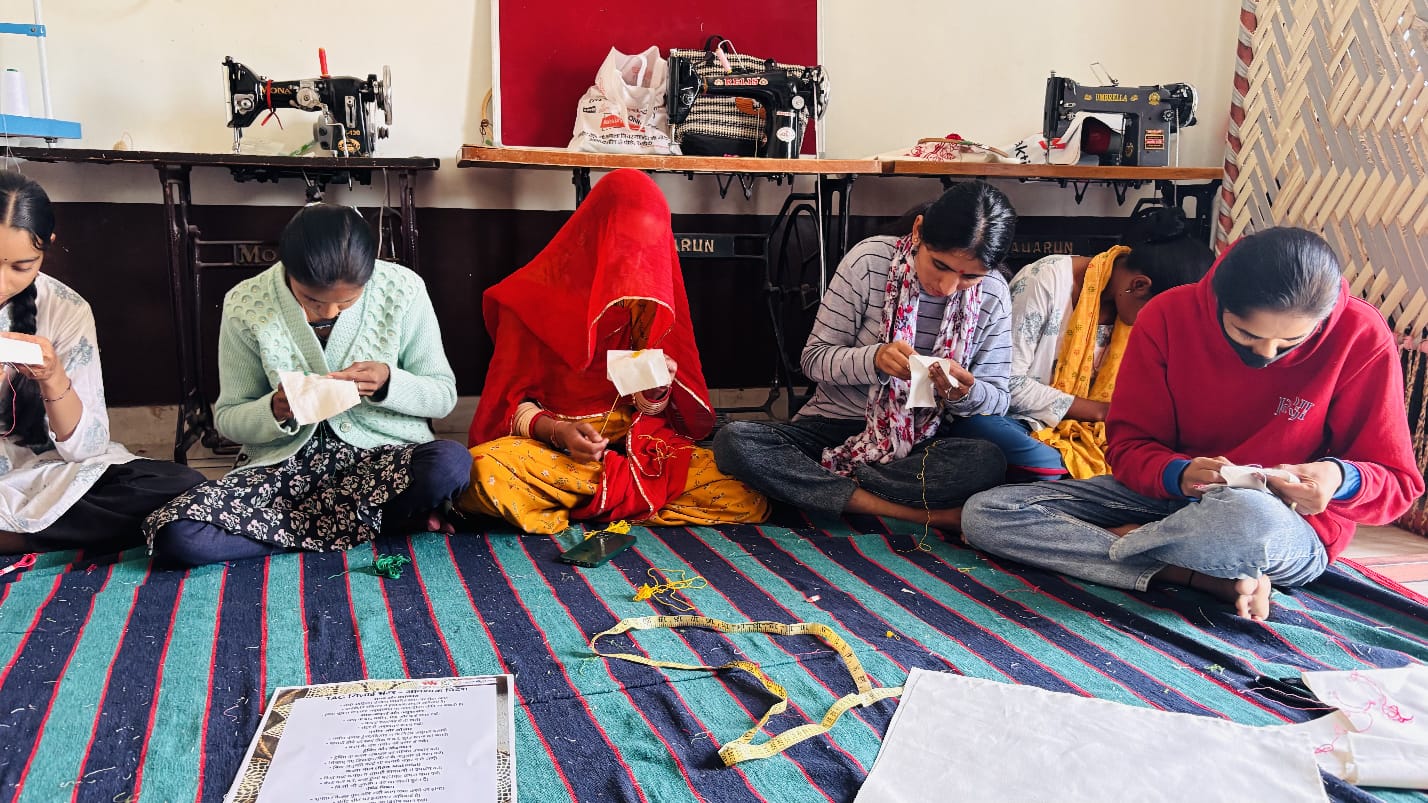
Women's Institutions
Women’s Institutions are essential platforms for empowering women through...
Read More